Small Moves, Big Gains at Work and School

Today we explore tiny habits for smarter work and study, turning bite‑sized actions into momentum you can actually feel this week. Expect practical nudges, quick wins, and stories from real schedules, not perfect planners. Try one idea, report back, and subscribe for gentle reminders that keep your progress visible, motivating, and surprisingly fun.

Anchor Moments that Trigger Action

Choose a reliable cue you already perform—like brewing coffee, arriving at your desk, or clicking join on a meeting—and attach a single, ultra‑small action. The brain loves predictability, so repetition after the same cue builds automaticity, reduces hesitation, and turns intention into forward motion reliably.

Make It Ridiculously Easy

Shrink the first move until it feels almost laughable: outline one bullet, read a single paragraph, or rename the file you will edit. Easy starts bypass perfectionism, lower emotional cost, and invite momentum that often continues well beyond the tiny commitment you promised.

The Two-Minute Launch

Promise only two minutes to begin, then end on a win. This lowers resistance dramatically, often unlocking extra minutes you did not need to force. Even on hard days, two minutes keep you connected to the project, preserving momentum and identity.

Micro-Pomodoros and Gentle Resets

Try six to ten minute focus sprints with a micro‑stretch or water break between. Rather than chasing iron discipline, choose curiosity: what tiny adjustment refreshes attention now? A brief reset protects quality, preventing the slide into distracted grinding that looks busy yet delivers little.

Single-Task Checkpoints

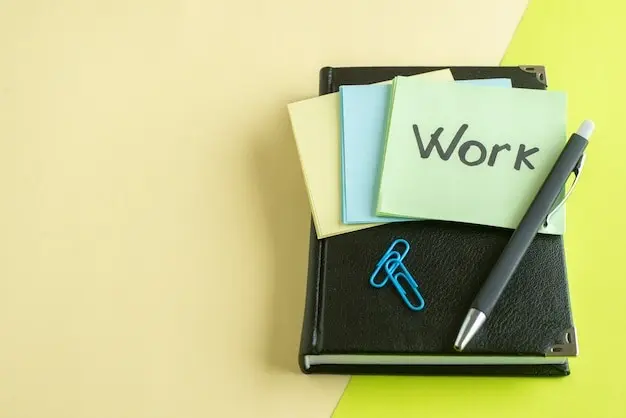
Set a simple checkpoint—one sticky note stating the current task, placed where your eyes land. When drift appears, glance, breathe, and restart the exact line. This compassionate loop reinforces single‑tasking without shaming, conserving cognitive fuel for genuinely demanding thinking.

Notes That Think for You

Replace heavy notebooks with light, living notes that capture one idea each, link to neighbors, and resurface naturally. Five consistent minutes daily can transform studying and work reviews. Camille’s sixty‑second captures turned scattered thoughts into reliable starting points, saving hours during exams and project sprints.

Environment as Silent Coach

Place the Prompt Where Action Lives

Lay out tools exactly where the first move happens: flashcards on the keyboard, dumbbells by the kettle, draft outline taped to the monitor. Visible prompts remove hunting friction and whisper start now, nudging you into progress before doubts catch breath.

Friction for Distractions, Flow for Work

Make diversions slower and valuable work faster. Log out of tempting sites, move social apps off the first screen, and pre‑open the document you intend to edit. The path of least resistance then favors contribution, not scrolling, which feels instantly encouraging.

Evening Prep for Tomorrow’s Momentum

Before bed, set one visible card with tomorrow’s must‑start action, lay clothes or notebooks out, and tidy surfaces. This five‑minute ritual shrinks morning decision fatigue and invites immediate traction, especially when energy is low or schedules are unexpectedly crowded.

Energy First, Productivity Follows

Tiny energy habits multiply focus and memory. A glass of water on waking, two minutes of sunlight, and a ninety‑second stretch between tasks keep the brain supplied and calm. When Priya protected sleep and movement snacks, her study time shortened while results improved.

Sip, Stretch, See Sunlight

Stack three micro‑restorers after logging in: drink water, stretch shoulders, and glance outside. This quick trio counters overnight dehydration, loosens static muscles, and anchors mood. Five consistent mornings change afternoons, reducing cravings for unhelpful snacks and aimless scrolling when energy dips.


The Ninety-Minute Wave

Work with ultradian rhythms by alternating roughly ninety minutes of effort with a true micro‑break. Even a short walk around the room refreshes chemistry. Respecting natural peaks and troughs improves output per hour, giving you back evenings for rest, hobbies, and relationships.

Micro-Recovery You’ll Actually Do

Pick breaks that feel inviting: a favorite song, two box‑breaths, or a stretch you enjoy. The best recovery is the one repeated. Consistency reduces stress load and sharpens recall, which matters more than heroic, irregular efforts that never truly replenish.

Learn Faster with Retrieval and Spaced Reps

Small, frequent recalls beat massive rereads. Quiz yourself before checking notes, then spread reviews across days. Jae’s five‑minute daily flashcards turned confusion into confidence, raising exam scores while freeing time for rest. The magic is repetition without grind, anchored to tiny cues.

Build Accountability That Feels Light

Keep promises playful and supportive. Share a single daily intention with a study buddy, post a short check‑in, or track streaks privately. When commitments are small and kind, follow‑through rises. Invite others to join you below and swap your simplest wins.
Farizentolumalaxixari
Privacy Overview

This website uses cookies so that we can provide you with the best user experience possible. Cookie information is stored in your browser and performs functions such as recognising you when you return to our website and helping our team to understand which sections of the website you find most interesting and useful.