Start Small, Finish Strong at School and Work

Today we explore the Two-Minute Rule for beating procrastination in classrooms, libraries, cubicles, and home offices. By beginning with the tiniest possible action, you unlock momentum, confidence, and clarity. Expect practical examples, memorable stories, and science-backed insights that help you get started faster, finish more often, and actually enjoy the process. Try one tiny start while you read, then share your win so others can borrow your spark.

Why Tiny Starts Create Big Momentum

When everything feels heavy, two minutes remove the weight. Action shrinks fear, and the brain rewards even small progress with motivation-boosting chemistry. Students discover that writing one sentence primes the next, while professionals find that opening a file erases hesitation. Like nudging a heavy cart until wheels turn freely, tiny starts build motion that carries you forward. Begin where resistance is smallest, and let momentum quietly do the hardest work.

School Success: Simple Starts That Defeat Delay

Academic workload multiplies quickly when you postpone beginnings. Embrace fast, forgiving entry points: open the textbook and underline a definition, convert a lecture slide into a flashcard, or write one original sentence after copying the assignment prompt. By designing two-minute gateways for reading, writing, problem sets, and labs, you reduce dread and create daily streaks. Share your favorite micro-start and inspire classmates to trade hesitation for motion.

Reading That Actually Happens

Instead of planning a marathon session, start by reading one paragraph and writing a seven-word summary in the margin. Set a two-minute timer, close distractions, and stop when it ends. Most days you will continue naturally. On hard days, that tiny success still counts, keeping your streak alive and your relationship with the subject positive rather than punishing.

Writing That Begins Without Pain

Open the document and type a working title plus a single messy thesis line. Paste the assignment question at the top, bold key verbs, and add three bullet placeholders. Two minutes in, you will know what the next two minutes should be. Even if you stop, you return to a page that welcomes you with structure, not a blinking cursor.

Group Projects Made Less Awkward

Send a quick kickoff message proposing roles, a shared document link, and the next five-minute step for everyone. Naming the smallest, clearest action dissolves silence and signals leadership without grand speeches. People easily reply when momentum is already moving. Keep your note warm, specific, and time-boxed, and you will transform scattered intentions into coordinated progress before anyone schedules a long meeting.

Workday Wins: Micro-Actions for Busy Professionals

Office life rewards starters. Two minutes can tame an inbox, unblock a proposal, or rescue a stalled deck. Rather than promising gigantic sprints, open the draft, sketch an outline, or write the subject line for the email you fear. When schedules brim with meetings, these tiny commitments squeeze through gaps and build confidence. Share your quickest starter in chat, and watch your team adopt it within a week.

Tools, Triggers, and Environments That Make Starting Easy

Design your world so beginnings happen almost automatically. Keep a visible two-minute menu, place your timer where your eye lands, and preload documents you plan to open next. Use calendar nudges, habit stacking after routine moments, and smart defaults that remove clicks. When the path to begin is smooth and short, resistance shrinks. Tell us which cue worked best and how you personalized it.

Build a Two-Minute Menu

List tiny starters for recurring tasks: draft a subject line, read one paragraph, label three emails, sketch two slide headers, or jot a question for your professor or manager. Keep the list on your desktop and phone. When willpower dips, choose any item and begin. Variety keeps the practice fresh while consistency builds an unbreakable streak.

Stack Cues After Existing Habits

Attach your micro-start to routines you already do: after pouring coffee, open your study doc; after closing a meeting, log one learning; after lunch, label two emails. Calendar reminders and subtle chimes can support the sequence. Over time, the previous action becomes the automatic trigger, shrinking the gap between intention and motion until starting feels inevitable.

Shape Spaces That Invite Action

Leave the book open to the right page, pin files to your taskbar, and keep a pen on your notebook. Reduce friction by closing unrelated tabs and silencing loud notifications during your two-minute window. Visual cues whisper, start here, now. Small environmental adjustments outperform heroic willpower when deadlines grow close and energy runs thin.

Handling Roadblocks, Perfectionism, and Real-World Mess

Two minutes are powerful, but life includes tangled tasks, shifting priorities, and perfectionist spirals. When starters feel too small or distractions multiply, adjust with constraints, boundaries, and compassionate resets. Focus on returning quickly after interruptions and celebrating re-entry more than uninterrupted streaks. Share a roadblock you faced and the micro-adjustment that helped, so others can learn faster than you struggled.

When Two Minutes Turns Into Scrolling

Set a visible timer and choose a physical cue, like standing or placing your phone face down, to anchor attention. Promise yourself a tiny reward only after completing the starter. If you slip, reset kindly and try again within the hour. The goal is not perfection; it is practicing the pivot back toward motion without drama.

Interruptions You Cannot Avoid

Adopt a pause-and-park method: when interrupted, write one sentence noting where you will resume. That breadcrumb erases re-entry friction. After the interruption, breathe once, read the breadcrumb, and restart for another two minutes. This ritual protects momentum on chaotic days and keeps your identity as a finisher intact despite external noise.

Perfectionism Meets Gentle Starts

Lower the bar intentionally: aim to produce a bad first line, a placeholder slide, or a draft question. Celebrate accuracy later. By valuing motion before mastery, you build evidence that progress creates quality. Repeat the mantra begin, then refine. Over weeks, your starts become natural, and your finishes arrive sooner with less emotional cost.

Track Progress, Celebrate Wins, and Stay Accountable
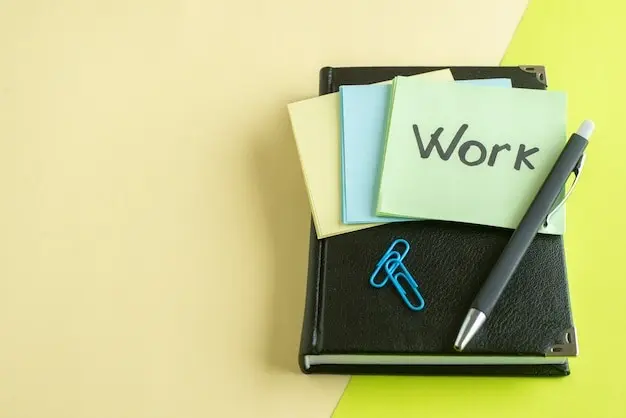
Small victories deserve visible credit. Use a paper streak calendar, a simple habit app, or a shared channel where classmates and colleagues post their two-minute wins. Recognition fuels repetition. Reflect weekly on what starter worked best and what felt sticky. Invite a friend to exchange quick check-ins, turning private momentum into a supportive micro-community.
An intern hung a paper chain above a desk, adding one loop for each two-minute start. By mid-month the chain draped dramatically, a playful scoreboard that sparked questions from coworkers. The visual proof felt satisfying, and conversations spread the practice across the team. Sometimes the simplest tracking tool is the one everyone wants to copy.
Create a tiny Done column for your day: each two-minute start earns an immediate move into it. Watching the Done list grow reframes effort as success, not just obligation. For students, a notebook margin works perfectly; for teams, a lightweight kanban board keeps progress visible without ceremony or delay.

From Two Minutes to Mastery Without Burning Out

Beginnings matter most, yet growth requires gentle expansion. Graduate from two minutes to five, then ten, while keeping the door to super-short starts always open. Use micro-beginnings as reliable launch ramps into deeper sessions, not as pressure to perform. Teach others your favorite starters, and notice how generosity reinforces your own steady momentum.
Farizentolumalaxixari
Privacy Overview

This website uses cookies so that we can provide you with the best user experience possible. Cookie information is stored in your browser and performs functions such as recognising you when you return to our website and helping our team to understand which sections of the website you find most interesting and useful.