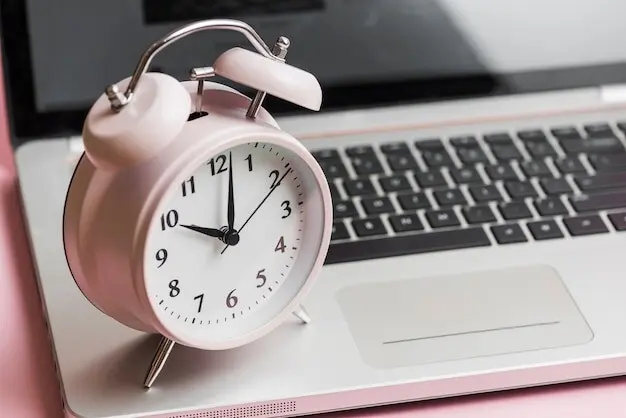
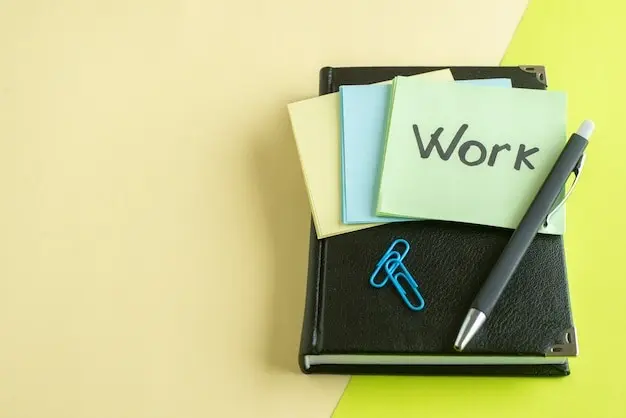
Spaces That Work While You Do

Step into a practical journey focused on designing work and study spaces that trigger automatic productive behaviors through intentional cues, friction-reduction, and supportive rituals. We will translate psychology into furniture placement, light, sound, and object choreography, so momentum greets you at your desk. Share your experiments, subscribe for ongoing field notes, and let your environment become the quiet coach that nudges consistent, meaningful progress.

Behavioral Design Foundations

{{SECTION_SUBTITLE}}

Cue-Driven Layouts

Arrange surfaces so the next step is literally the easiest reach. Place the open notebook where your hands naturally land, keep reference materials at eye level, and store distractions below knee height. Clear, repeatable positioning anchors reliable associations, helping your brain recognize what to do without debate. Try one micro-adjustment today, then report what changed after a week.

Implementation Intentions in Space

Pair the classic if-then strategy with physical anchors: if it is 8:30 a.m., then sit in the chair facing the daylight, open the calendar, and review the top three. Tape a brief prompt to a visible edge, transforming intention into a tactile reminder. Over time, the setting whispers your plan before you consciously recall it.

Lighting, Color, and Sound That Prime Focus

Sensory design shapes cognitive stamina. Calibrate light to support alertness without glare, choose colors that influence arousal thoughtfully rather than mythically, and tune acoustics to match task demands. Use layered options so adjustments are fast, not theoretical. We will balance energizing brightness for deep work with warmer tones for reflection, and craft a soundscape that shields attention without isolating you from helpful signals.

Objects as Triggers, Not Clutter

Every item either speeds your start or steals your start. Curate a handful of ritual objects that initiate key workflows, and store the rest out of sight yet within predictable reach. Create visual anchors that say begin, not continue scrolling. Through placement protocols and end-of-day resets, your desk becomes a stage where the correct prop appears exactly when the next act begins.
Designate a landing pad for the current project, a staging tray for reference materials, and a parking zone for completed work. Label subtly on the underside or edge to maintain aesthetics. The rule is simple: everything returns home within one minute. This gentle constraint prevents piles from gaining narrative power and keeps tomorrow’s start beautifully unambiguous.
Bundle tools by task, not by category. A writing kit holds pen, index cards, and timer; a research kit houses highlighters, sticky flags, and a citation shortcut card. Store each kit in a distinct color pouch. When you reach for the pouch, your brain retrieves the procedure. Share your kit contents; we will feature inventive combinations from readers.

Zoning Small Spaces and Shared Areas

Digital Environments That Mirror Your Space

Translate physical clarity into screens by arranging apps into purpose zones, pruning notifications, and automating context switches. Your desktop should echo your desk: one clear focal area, ready tools within a short reach, and archives hidden yet accessible. Align wallpaper, color accents, and shortcuts with your ritual cues. The goal is seamless handoff between physical gestures and digital actions without hesitation.

Maintenance, Reflection, and Iteration for Lasting Habits

Weekly Space Audits

Set a recurring appointment to scan for clutter creep, lighting drift, and tool mismatch. Ask three questions: What slowed my start, what sped it up, and what felt heavy to maintain? Fix one tiny thing immediately. Record changes in a simple log so patterns surface. Share a before-and-after snapshot; your iteration might unlock someone else’s breakthrough.

Data-Driven Tweaks That Respect Humanity

Measure what matters compassionately: time to first meaningful action, sustained focus windows, and recovery quality. Avoid gamifying everything; instead, look for humane thresholds you can repeat. If a lamp angle drops your start time by minutes, keep it. If a rule exhausts you, retire it. Comment with one metric you trust, and why it guides wiser adjustments.


Community Feedback Loop

Invite peers to test your setup for ten minutes and narrate their experience. Fresh eyes reveal friction you no longer notice. Offer to review theirs in return, building a circle of supportive iteration. Share takeaways, photos, and revised rituals below. Subscribing connects you with ongoing experiments, reader spotlights, and friendly prompts that keep your environment quietly doing its best work.

Farizentolumalaxixari
Privacy Overview

This website uses cookies so that we can provide you with the best user experience possible. Cookie information is stored in your browser and performs functions such as recognising you when you return to our website and helping our team to understand which sections of the website you find most interesting and useful.